Free and low-cost foreclosure help in Orlando Metro
By Elena Haddad · Updated 2026-07-30
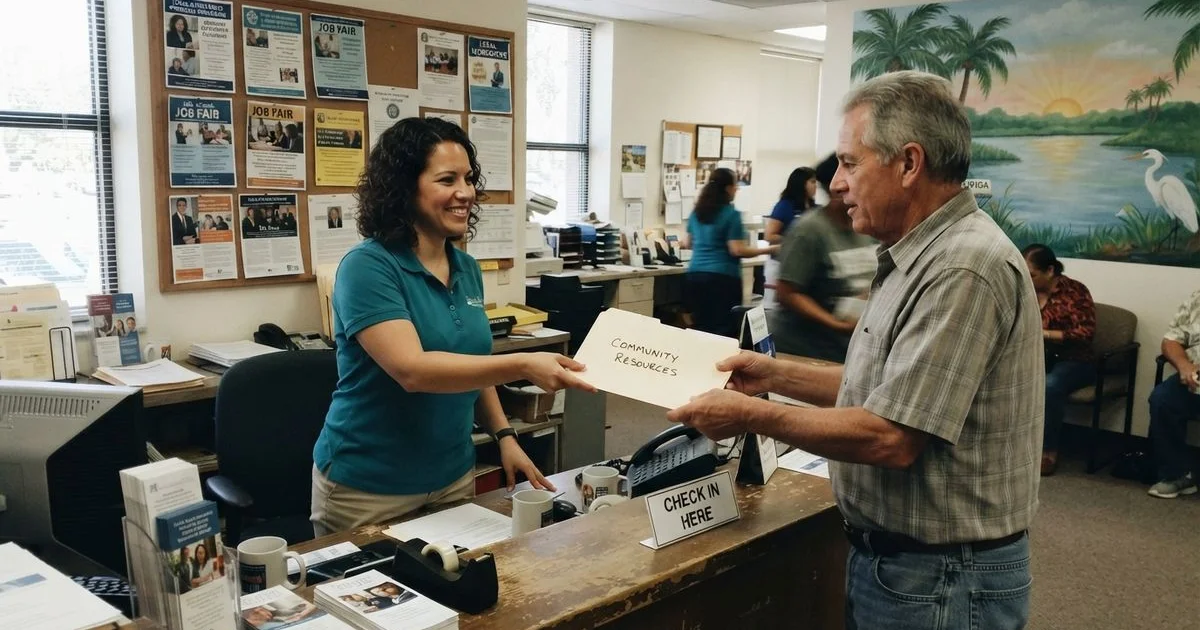
Facing foreclosure while worried about attorney fees is a common combination, and it shouldn’t stop you from getting help. There are several genuinely free or low-cost paths worth checking before you assume representation is out of reach.
Legal aid organizations
Nonprofit legal aid groups serving Central Florida provide free representation to homeowners who meet income eligibility limits, and foreclosure defense is a common case type they handle. Capacity is limited, so getting on their radar early, ideally as soon as you receive a notice of default, improves your odds versus waiting until a sale date is close.
Eligibility is usually based on household income relative to federal poverty guidelines, and some organizations also weigh case complexity or the number of similar cases they’re already carrying. Even if you’re not sure you’ll qualify, applying costs nothing but a bit of time, and intake staff can often point you toward another resource if legal aid isn’t the right fit.
HUD-approved housing counseling
Housing counseling agencies approved by the Department of Housing and Urban Development offer free or low-cost guidance on foreclosure prevention options, including loan modification applications, budgeting, and understanding your servicer’s requirements. They don’t provide legal representation in court, but they can be a useful first stop to understand your options before deciding whether you need an attorney.
Free consultations at private firms
Many private attorneys offer a no-cost first meeting to review your situation, even if their ongoing representation isn’t free. This is worth using even if you’re not sure you can afford a full retainer, since the consultation itself can clarify whether your case needs an attorney at all or whether a direct negotiation with your servicer might work.
| Resource | What it offers | Typical cost |
|---|---|---|
| Legal aid organizations | Full representation for income-eligible homeowners | Free |
| HUD-approved housing counseling | Guidance on options, not courtroom representation | Free or low-cost |
| Private attorney free consultation | Case evaluation and next-steps advice | Free for the first meeting |
| Payment plans at private firms | Ongoing representation, cost spread out | Varies, ask upfront |
Payment plans and flexible fees
If you don’t qualify for legal aid but a full retainer feels out of reach, ask directly whether a firm offers payment plans, or whether part of their fee can be deferred until a modification or settlement is reached. Not every firm advertises this, so it’s worth asking rather than assuming the quoted number is fixed.
What to have ready when you reach out
Whichever resource you contact first, having a few basics ready speeds things up: your notice of default or foreclosure paperwork if you’ve received any, a rough sense of your monthly income and expenses, and a short summary of what’s happened so far, including any prior contact with your servicer. Legal aid organizations in particular often move through intake faster when an applicant arrives with organized paperwork rather than a folder of loose mail, so a few minutes gathering documents before that first call can genuinely shorten your wait.
Don’t wait for the ideal option
It’s tempting to hold off reaching out until you’ve found the perfect free resource, but capacity at legal aid organizations is limited and fills up. Starting with whichever option you can access fastest, even if it’s just a first phone call to a housing counselor, keeps your timeline moving while you sort out whether a better-fitting resource exists, and you can always switch paths once you know more.
Where to start
If you’re unsure which path fits, a free consultation with a firm that handles foreclosure work is a reasonable first call, since a good attorney will tell you honestly whether your situation might qualify for legal aid or whether direct representation makes more sense. From there, our home page links out to attorneys across every category this directory tracks, from foreclosure defense to bankruptcy.
This is general information about typical resources available in Orlando Metro, not a guarantee of eligibility or legal advice. Availability and income limits change, so confirm current details directly with each organization. See how we score listed firms on our methodology page.
Questions people ask
- Is legal aid the same as hiring a private attorney?
- No. Legal aid organizations typically have income limits and take a limited number of cases based on capacity, while a private attorney can take your case regardless of income but charges a fee.
- Can I get help even if I don't qualify for legal aid?
- Yes. Many private firms offer a free initial consultation and payment plans, and some structure fees so part of the cost is deferred until a modification or settlement is reached.
- Is HUD housing counseling free?
- HUD-approved housing counseling agencies generally offer free or low-cost counseling on foreclosure prevention options, separate from legal representation, and can be a useful first stop even before talking to an attorney.
- Does free help mean lower quality help?
- Not necessarily. Legal aid attorneys and housing counselors often handle a high volume of similar cases and can be very familiar with local court procedures, though limited capacity means not everyone who applies gets accepted.