Foreclosure after a divorce: what happens to a house you can't afford alone
By Elena Haddad · Updated 2026-08-12
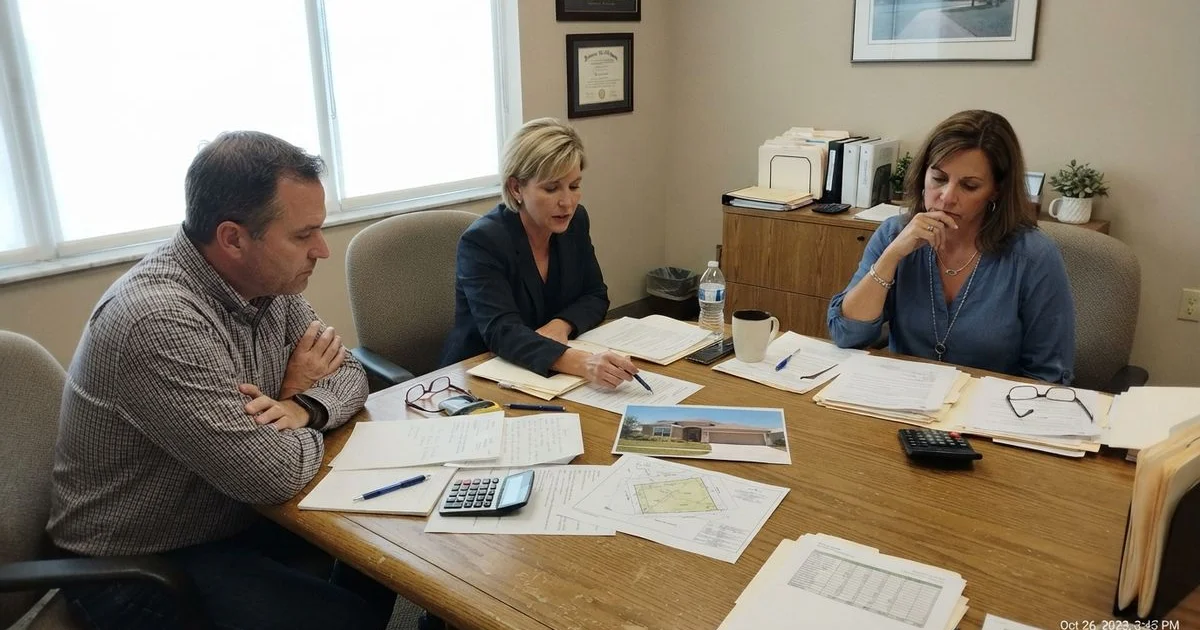
A house that worked for two incomes can become unaffordable fast on one, and divorce is one of the more common triggers for a mortgage default. The legal picture is often more tangled than people expect, since a divorce decree and a mortgage are two separate legal obligations that don’t automatically line up.
The decree doesn’t erase the mortgage
One of the most common surprises: a divorce decree assigning the house to one spouse doesn’t remove the other spouse’s name from the loan itself. The mortgage is a separate contract with the lender, and unless it’s refinanced solely in one spouse’s name or formally assumed, both names generally stay on the hook, meaning both credit reports are exposed if payments stop.
Who actually has to make the payment
This depends on what the divorce settlement says and whether it holds up in practice. A settlement might require one spouse to make the payments and hold the other harmless for any default, but that agreement is between the spouses, not the lender. If payments stop, the lender can pursue either or both names on the loan regardless of what the divorce paperwork says internally.
Common paths when the house isn’t affordable for either party
Selling the house and dividing proceeds as part of the divorce is often the cleanest option when neither spouse can carry the mortgage alone or qualify to refinance it solely in their name. Refinancing into one spouse’s name, if their income and credit support it, is another path, though it requires lender approval like any new loan application. If the marriage is ending during an active financial hardship, a loan modification jointly negotiated before the divorce finalizes can sometimes simplify things versus untangling it after.
| Situation | Common path |
|---|---|
| One spouse can afford solo payments and wants the house | Refinance solely into that spouse’s name |
| Neither spouse can afford it alone | Sell and divide proceeds as part of the settlement |
| Payments already behind before divorce is final | Address hardship options before finalizing, if possible |
| One ex-spouse stops paying after the decree | The other spouse’s credit is still at risk if jointly liable |
Watch your credit even after the divorce is final
If your ex-spouse was supposed to make the payments under the settlement but stops, your credit is still exposed as long as your name remains on the loan, and you may not find out until a late payment or default notice shows up on your own credit report. Checking your credit report periodically after a divorce involving a shared mortgage, rather than assuming the settlement alone protects you, catches this kind of problem earlier.
When one spouse wants to keep the house but can’t yet refinance
Sometimes one spouse wants to keep the home but hasn’t qualified for a solo refinance by the time the divorce needs to finalize, often because a single income doesn’t yet meet a lender’s requirements. In these cases, some couples negotiate an interim arrangement, both names staying on the loan for a defined period with a plan to refinance once income or credit improves, though this leaves the other spouse’s credit tied to the property until that refinance actually happens. This is worth discussing explicitly with your family law attorney rather than leaving it as an assumption.
Coordinating family law and foreclosure defense
If a house tied up in a divorce is already behind on payments, it’s worth having your family law attorney and a foreclosure-focused attorney aware of each other’s work, since decisions in one case can affect the other. Someone handling only the divorce may not flag foreclosure deadlines, and someone handling only the foreclosure may not understand what the divorce settlement requires. Family circumstances complicate a mortgage default in more ways than divorce alone; our guide on helping an aging parent facing foreclosure covers a similar coordination problem when a parent, not a spouse, is the one behind on payments.
Divorce and mortgage default rarely arrive on a convenient schedule, but coordinating both pieces early, rather than assuming the divorce paperwork alone protects your credit, tends to produce a cleaner outcome. Browse attorneys covering foreclosure-related matters from our home page, and see our methodology for how firms in this directory are evaluated.
This is general information, not legal advice about your specific divorce or mortgage. Every settlement and loan is different, so confirm your specific liability and options with an attorney.
Questions people ask
- If the divorce decree says my ex keeps the house, am I still on the mortgage?
- Often yes. A divorce decree governs the relationship between spouses, but it doesn't automatically remove either name from the actual mortgage with the lender unless the loan is refinanced or formally assumed.
- Can my credit be affected by a foreclosure my ex-spouse caused?
- Yes, if your name is still on the loan. Lenders and credit bureaus generally don't distinguish between spouses on a joint loan when reporting a default.
- Should the house be sold as part of the divorce instead of risking foreclosure?
- Often the safer path if neither party can afford the payment alone or wants to refinance. Selling and dividing proceeds avoids leaving a shared, at-risk asset behind after the divorce is final.
- Does bankruptcy affect a mortgage tied to a divorce differently?
- Not fundamentally, though coordination between family law and bankruptcy or foreclosure counsel matters, since obligations set out in a divorce settlement can interact with what a bankruptcy court will approve.